Introduction
Vein-related issues are incredibly common, affecting millions of adults across the United States. Despite this, many people delay seeking medical attention because they assume symptoms like visible veins, mild swelling, or leg discomfort are either harmless or purely cosmetic.
However, vein problems are often a sign of underlying vascular conditions, such as chronic venous insufficiency, which can worsen over time if left untreated. What starts as minor discomfort can progress into more serious complications, including skin damage, ulcers, or even blood clots.
Understanding when to see a vein specialist is essential for early diagnosis, effective treatment, and long-term health.
Warning Signs That Require Medical Attention
While some vein symptoms may seem mild at first, certain signs should never be ignored. These symptoms often indicate that your veins are not functioning properly and require professional evaluation.
Ongoing pain, throbbing, or discomfort in the legs—especially after standing or sitting for long periods—can be a sign of poor circulation. This type of pain often worsens throughout the day and improves with rest or elevation.
1. Persistent Leg Pain or Aching
Ongoing pain, throbbing, or discomfort in the legs—especially after standing or sitting for long periods—can be a sign of poor circulation. This type of pain often worsens throughout the day and improves with rest or elevation.
2. Swelling in the Legs or Ankles
Swelling (also known as edema) is a common symptom of vein disease. It typically occurs in the lower legs and ankles and may worsen by the end of the day. Persistent swelling can indicate that blood is pooling in the veins rather than circulating properly.
3. Visible Varicose or Spider Veins
Bulging, twisted veins that are blue or purple in color are a clear sign of vein dysfunction. While some people view them as a cosmetic issue, they often indicate underlying venous insufficiency and should be evaluated by a specialist.
4. Skin Discoloration or Texture Changes
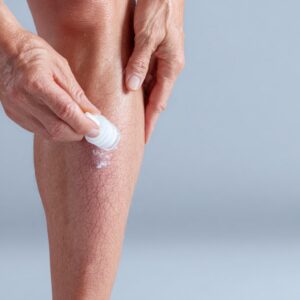
Changes in skin color—such as darkening, redness, or a purplish tone—around the ankles or lower legs can signal advanced vein disease. The skin may also become dry, itchy, or hardened over time.
5. Non-Healing Wounds or Ulcers
One of the most serious signs of vein disease is the development of open sores, usually near the ankles. These wounds (venous ulcers) are slow to heal and can become infected if not treated promptly.
6. Leg Heaviness, Fatigue, or Restlessness
A constant feeling of heaviness or tiredness in the legs, especially after minimal activity, may indicate poor blood flow. Some patients also experience restless legs or nighttime cramping.
7. Sudden Warmth, Redness, or Tenderness
If you notice sudden warmth, redness, or pain in a specific area of your leg, it could indicate a blood clot (such as superficial thrombophlebitis or deep vein thrombosis). This requires immediate medical attention.
Benefits of Early Consultation
Seeking medical advice early can significantly improve your outcome and prevent the condition from progressing.
Accurate Diagnosis
A vein specialist can identify the root cause of your symptoms using advanced diagnostic tools, ensuring that you receive the correct treatment.
Access to Minimally Invasive Treatments
Modern vein treatments are quick, safe, and minimally invasive. Early intervention often means:
- Shorter procedures
- Faster recovery
- Better cosmetic results
Prevention of Serious Complications
Early treatment can help prevent:
- Chronic venous insufficiency
- Skin damage
- Venous ulcers
- Blood clots
Improved Quality of Life
Treating vein issues can relieve pain, reduce swelling, and restore confidence—allowing you to return to normal daily activities without discomfort.
What Happens During Your First Visit?
Many patients feel unsure about what to expect during a vein consultation. The process is typically straightforward and designed to be comfortable and informative.
1. Medical History Review
Your specialist will ask about:
- Symptoms and their duration
- Lifestyle factors (job, activity level)
- Family history of vein disease
- Previous treatments or conditions
2. Physical Examination
A visual and physical examination of your legs will help assess:
- Visible veins
- Swelling
- Skin changes
3. Ultrasound Imaging (Key Step)
A duplex ultrasound is the most important diagnostic tool used in vein care. It allows the doctor to:
- Evaluate blood flow
- Identify damaged valves
- Detect blockages or clots
This test is painless and non-invasive.
4. Personalized Treatment Plan
Based on your diagnosis, the specialist will recommend a treatment plan tailored to your condition. This may include:
- Lifestyle changes
- Compression therapy
- Minimally invasive procedures (EVLT, RFA, sclerotherapy)
Choosing the Right Vein Specialist
Selecting the right provider is essential for safe and effective treatment.
Look for the Following:
- Board Certification: Ensures proper training and expertise
- Experience in Vein Treatments: Especially minimally invasive procedures
- Use of Modern Technology: Such as ultrasound-guided treatments
- Positive Patient Reviews: Indicates quality care and satisfaction
- Transparent Consultation Process: Clear explanation of diagnosis and options
Common Misconceptions About Vein Care
Many people delay treatment due to common myths:
- “It’s just cosmetic” → Vein issues are often medical
- “Treatment is painful” → Modern procedures are minimally invasive
- “I can wait” → Delaying treatment can worsen the condition
Understanding these misconceptions can help you make informed decisions.
Conclusion
Vein problems rarely resolve on their own and often worsen over time if left untreated. Recognizing the warning signs and seeking early medical attention can prevent serious complications and improve your overall well-being.
If you’re experiencing symptoms such as leg pain, swelling, visible veins, or skin changes, consulting a vein specialist is a proactive step toward better health.
Early diagnosis and treatment can make all the difference—both medically and in your quality of life.