Back to Blogs

/  Vein Disease Progression

The Standing Professional’s Guide: Choosing the Best Compression Socks

In This Article

Ready to get treated?

Connect with a board-certified vein specialist near you today.

Introduction

If you are a nurse, teacher, or retail worker in the U.S., you know that by 3:00 PM, your legs often feel like lead. For those in standing jobs, gravity is a constant enemy, pushing blood down into the ankles and straining vein valves.

In 2026, the most effective tool in your work bag isn’t a better pair of shoes—it is a high-quality pair of compression socks. But with thousands of options on the market, how do you choose the ones that actually protect your veins?

Understanding Compression Levels (mmHg)

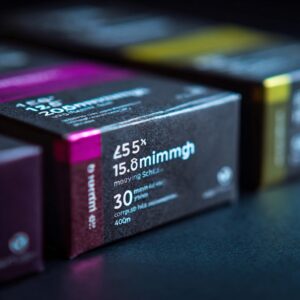
Compression is measured in millimeters of mercury (mmHg). For occupational health, you generally need to choose between two levels:

  • 15-20 mmHg (Mild/Moderate): Perfect for daily wear to prevent minor swelling and leg fatigue.
  • 20-30 mmHg (Firm/Medical Grade): Usually recommended if you already have visible spider veins or a family history of varicose veins.

What to Look for in a Work Sock

  • Graduated Compression: Ensure the sock is tightest at the ankle and gradually loosens as it moves up the calf.
  • Moisture-Wicking Fabric: Essential for 12-hour shifts to prevent skin irritation.
  • Silver Ion Technology: A popular 2026 feature that prevents odor and bacterial growth during long shifts.

Conclusion

Investing in your leg health today prevents medical leave tomorrow. Don’t wait until the pain forces you off your feet.

Is your leg pain worsening despite compression? It might be time for a professional evaluation. Use the VaricoseMD App to find a specialist who understands the unique needs of active professionals.

About the Author

Picture of Daniel Harper
Daniel Harper
Daniel Harper is a health educator and patient advocate dedicated to lifestyle-based disease prevention. Drawing from years of experience in community health, Daniel focuses on the "human side" of vein disease—addressing symptoms like leg heaviness, occupational hazards for standing workers, and practical daily habits for better circulation. His mission at VaricoseMD is to help readers recognize early warning signs and bridge the gap between initial discomfort and professional medical care.
Picture of Daniel Harper
Daniel Harper
Daniel Harper is a health educator and patient advocate dedicated to lifestyle-based disease prevention. Drawing from years of experience in community health, Daniel focuses on the "human side" of vein disease—addressing symptoms like leg heaviness, occupational hazards for standing workers, and practical daily habits for better circulation. His mission at VaricoseMD is to help readers recognize early warning signs and bridge the gap between initial discomfort and professional medical care.

Share This Article

Related Articles

Explore more expert insights on varicose veins, treatments, and vein health.

Stay informed about new treatments and trusted specialists.

Join our monthly newsletter for vein-care insights, doctor highlights, and patient tips.

This field is for validation purposes and should be left unchanged.

Stay informed about new treatments and trusted specialists.

Join our monthly newsletter for vein-care insights, doctor highlights, and patient tips.

Oops! We could not locate your form.

Scroll to Top

Your Trusted
Vein Health Resource

Expert guidance on varicose and spider veins. Learn about symptoms and treatments, or find a specialist near you.