Introduction
Venous disease often develops silently, with subtle symptoms that many people overlook. However, early detection is crucial in preventing progression into more serious conditions like chronic venous insufficiency or venous ulcers.
Understanding Venous Disease
Venous disease occurs when veins struggle to return blood efficiently to the heart. This leads to blood pooling, increased pressure, and gradual damage to vein walls and surrounding tissues.
Early Warning Signs
1. Leg Heaviness and Fatigue
A persistent feeling of heaviness, especially after standing, is often the first sign.
2. Swelling (Edema)
Mild swelling around the ankles can worsen throughout the day.
3. Aching or Throbbing Pain
Pain may feel dull but becomes more noticeable after inactivity.
4. Nighttime Leg Cramps
Often overlooked, these cramps can indicate circulation issues.
5. Itching or Burning Sensation
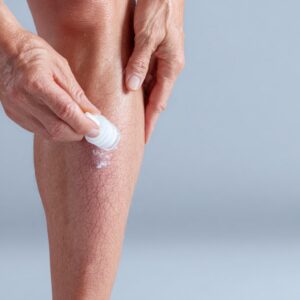
This may occur around visible veins and is linked to inflammation.
Progressive Symptoms
If untreated, symptoms may worsen to include:
- Skin discoloration (brown or purple)
- Thickened or hardened skin
- Development of varicose veins
- Open sores (ulcers)
Why Early Detection Matters
Early treatment:
- Prevents disease progression
- Reduces treatment complexity
- Improves long-term outcomes
Who Should Be Especially Cautious?
- Individuals with family history
- Pregnant women
- People with sedentary jobs
- Those over age 40
Conclusion
Recognizing early symptoms can make the difference between simple treatment and chronic complications. If you notice persistent changes, seeking medical advice early is essential.