Introduction
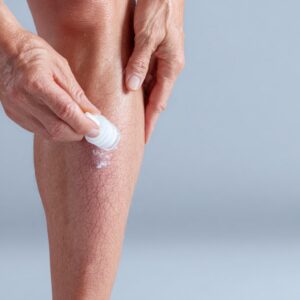
A common, yet frequently misdiagnosed symptom of vein disease is intense itching. For many patients with varicose veins, the skin above the vein can become red, dry, flaky, or even hard. Many people treat this with moisturizers or anti-itch creams, assuming it is a skin condition like dry skin or standard eczema. The truth, however, is far more significant.
At VaricoseMD, we call this symptom by its correct medical name: Venous Stasis Dermatitis. This symptom is a critical warning sign that your circulation needs professional attention.
The Cause of the “Vein Itch”
When you have varicose veins, the valves are failing, and blood is “stagnating” (stasis) inside the vein. As the blood pools, the pressure builds, causing fluid to leak out of the vein and into the surrounding skin tissue. This fluid is filled with metabolic waste products that irritate the delicate skin cells from the inside out, leading to intense inflammation.
Identifying Venous Stasis Dermatitis
How do you know if your itch is caused by dry skin or vein disease? Venous Stasis Dermatitis has a unique “signature”:
- Localized Over Veins: The itching and skin changes are located directly over the visible varicose vein, usually on the lower calf.
- Discoloration: The skin develops a reddish-brown or dark-tan color (hyperpigmentation) as iron from the pooled blood permanently stains the skin.
- Skin Thickening: Over time, the constant inflammation causes the skin to become thick, leathery, and eventually hard—a condition known as lipodermatosclerosis.
[Image contrasting standard eczema with venous stasis dermatitis]
Why Standard Creams Fail
Moisturizers and standard steroid creams from the drugstore only treat the surface symptom. They soothe the inflammation for a few hours, but they cannot address the internal pressure that is causing the fluid to leak. Relying on creams is a losing battle against gravity.
The Permanent Cure: Treat the Vein
The only way to stop Venous Stasis Dermatitis is to remove the underlying pressure. This is achieved by treating the diseased vein. When a specialist performs a minimally invasive procedure (like VenaSeal or RFA) to close the vein, the pooling blood is rerouted, the pressure is immediately reduced, and the skin can finally begin to heal.
Conclusion
An itchy leg isn’t just dry skin—it’s a high-stakes warning sign that your circulatory system is under stress. Ignoring these symptoms allows the inflammation to continue, permanently damaging your skin and increasing your risk of develop an open venous ulcer. Treating the root cause is the key to both visual results and vascular safety.
Is your itch keeping you awake? If anti-itch creams aren’t working, it’s time to see a specialist who can fix your circulation from the inside out. Use the VaricoseMD Directory to find a board-certified expert near you.