Introduction
In the United States, millions of professionals—including nurses, teachers, retail workers, and hairstylists—spend more than eight hours a day on their feet. While these careers are essential, the physical toll on the vascular system is often overlooked.
Do your legs feel heavy, throbbing, or swollen by the time you clock out? It’s not just “normal” work fatigue. For many, prolonged standing is a direct contributor to chronic venous insufficiency and the development of painful varicose veins.
The Gravity Problem: How Standing Affects Blood Flow
Your veins have a difficult job: they must fight gravity to pump blood from your ankles back up to your heart. This is achieved through small one-way valves and the “calf pump” muscle action.
When you stand still for long periods:
- The calf muscles aren’t contracting enough to push blood upward.
- Blood begins to pool in the lower legs due to gravity.
- Pressure builds against the vein walls, causing them to stretch and the valves to weaken.
Top 5 Professions at Risk for Vein Disease
Research shows that certain “standing professions” have a significantly higher incidence of varicose veins. These include:
- Healthcare Workers: Nurses and surgeons often stand for 12-hour shifts on hard hospital floors.
- Educators: Teachers spend the majority of the day standing at whiteboards or patrolling classrooms.
- Retail & Hospitality: Cashiers and servers rarely have the opportunity to sit or elevate their legs.
- Factory Workers: Standing in a fixed position at an assembly line is particularly taxing on the vascular system.
- Manual Laborers: Construction and warehouse staff combine heavy lifting with prolonged standing.
Early Warning Signs for Active Professionals
If you work a standing job, watch for these symptoms at the end of your shift:
- The “Nighttime Ache”: A deep, dull throb in the calves that starts once you finally sit down.
- Visible Swelling: Your shoes feel tighter in the evening than they did in the morning.
- Restless Legs: An uncontrollable urge to move your legs while trying to fall asleep.
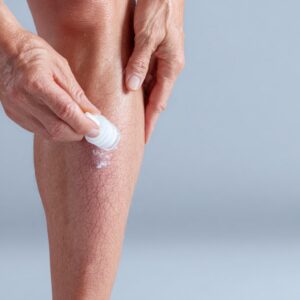
- Skin Itching: Often mistaken for dry skin, this can be a sign of blood leaking into the surrounding tissue.
Practical Tips to Protect Your Veins at Work
You don’t have to quit your job to save your veins. Small adjustments can make a massive difference:
- Wear Compression Socks: This is the #1 recommendation for standing workers. 15-20 mmHg socks help “squeeze” blood back toward the heart.
- The “Calf Raise” Routine: Every 30 minutes, do 10-15 calf raises to manually pump blood out of your lower legs.
- Shift Your Weight: Avoid locking your knees. Frequently shifting your weight helps engage different muscle groups.
- Invest in Footwear: Wear supportive shoes with cushioned insoles to reduce the impact on your circulatory system.
When Should You Consult a Specialist?
If lifestyle changes aren’t relieving your pain, it may be time to seek professional help. Modern treatments are designed for busy professionals—most procedures take less than an hour and allow you to return to work the very next day.
Ignoring the pain can lead to complications like blood clots (DVT) or skin ulcers that could eventually force you to take extended medical leave.
Conclusion
Your career shouldn’t come at the cost of your mobility. By understanding the risks of standing jobs and taking proactive steps, you can prevent varicose veins from progressing.
Are your legs tired of the 9-to-5 grind? Don’t wait for the pain to get worse. Use the VaricoseMD Doctor Directory to find a specialist in your area who understands the unique needs of active professionals.